SUMBA PHOTO TOUR
Where the Wild Still Speaks
19-24 July 2027
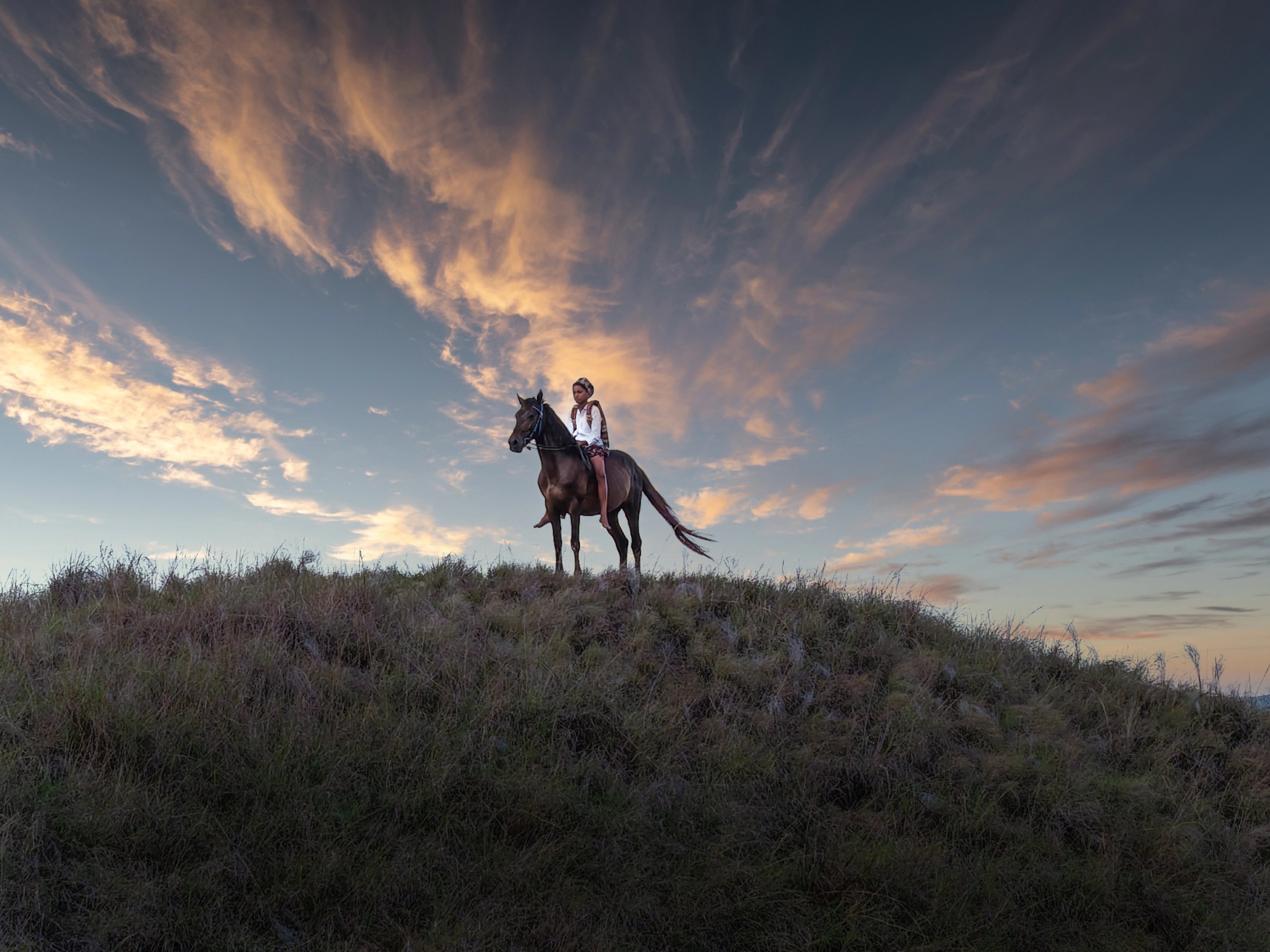
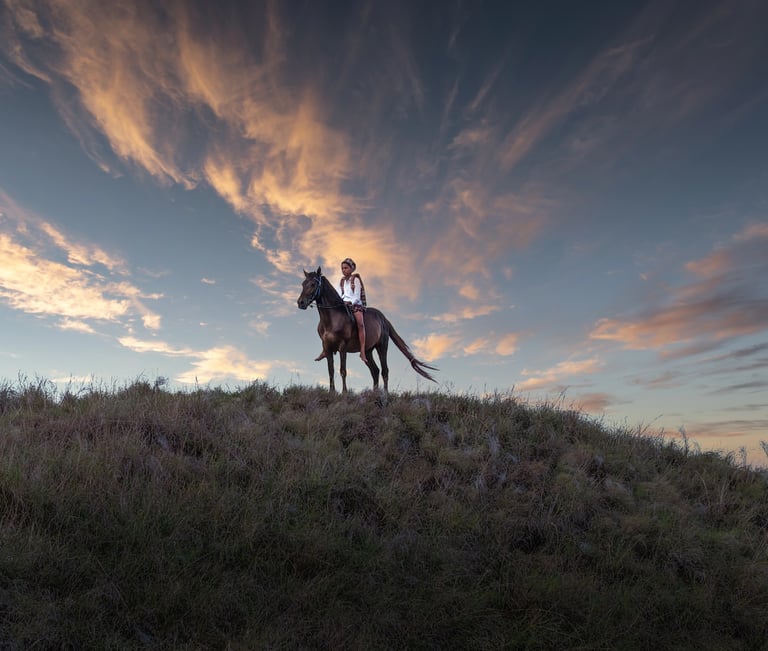
Sumba is a place where landscape and culture exist in quiet balance—where rolling savannas, rugged coastlines, and deeply rooted traditions shape a visual experience that feels both raw and timeless.
Across East and West Sumba, the terrain shifts gently yet distinctly. Open hills stretch into the horizon, coastal cliffs meet the sea, and traditional villages remain closely tied to the land. There is a sense of space here—uninterrupted, unrefined, and increasingly rare.
This journey is designed to follow that rhythm.
Rather than moving quickly between locations, the experience is built around timing—arriving when light, atmosphere, and environment come together. From early mornings in soft silence to evenings shaped by long shadows and fading light, each moment is approached with intention.
For photographers, this creates more than just opportunities for strong images. It allows space to observe, to adapt, and to engage with each location beyond the surface.
What unfolds is not just a series of destinations, but a connected experience—defined by contrast, simplicity, and the quiet presence of a place that moves at its own pace.
Day 1 — Arrival & First Light
Arrival in East Sumba.
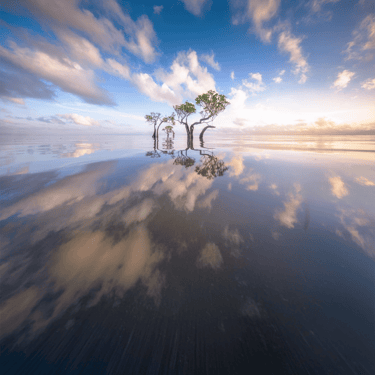
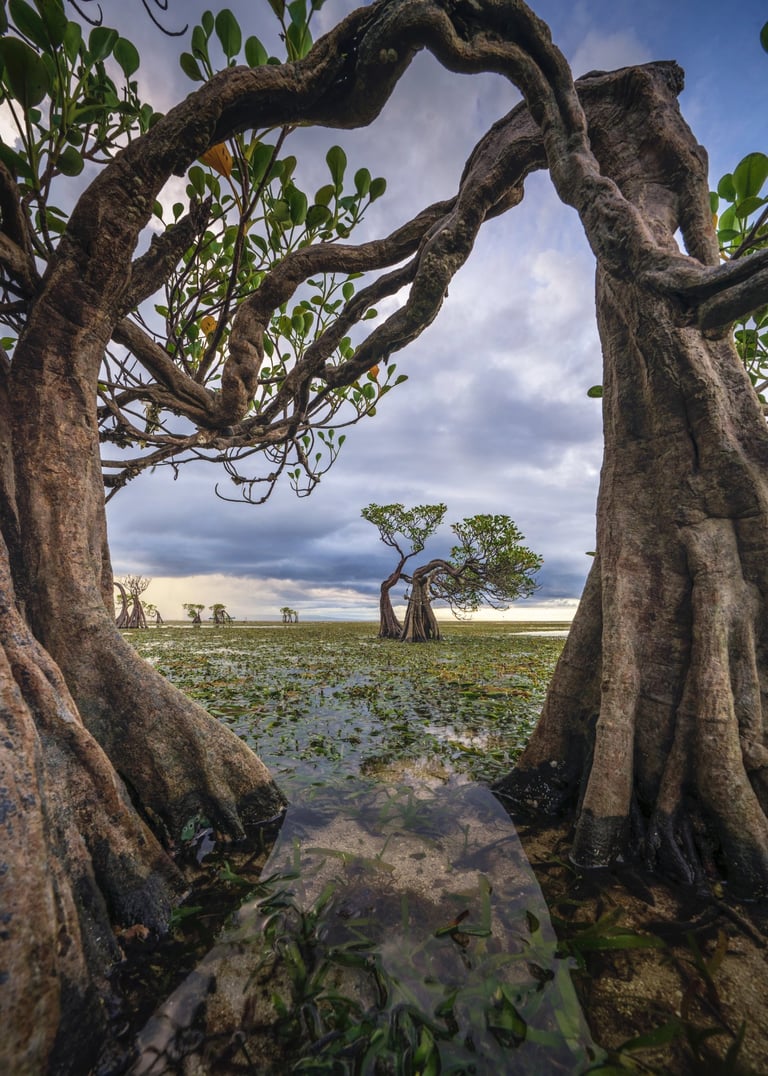
After check-in and time to rest, we begin the journey at Walakiri Beach.
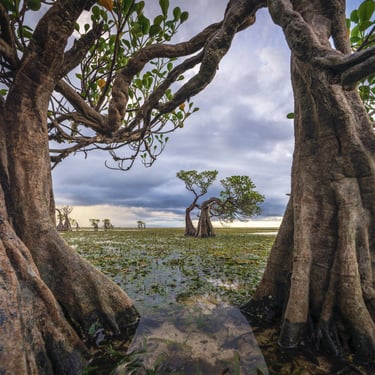
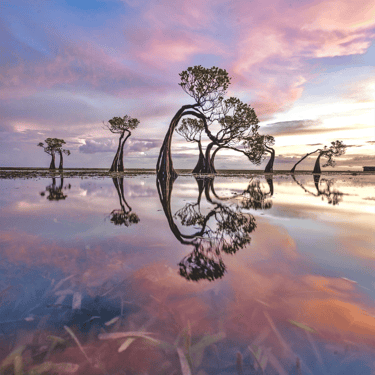
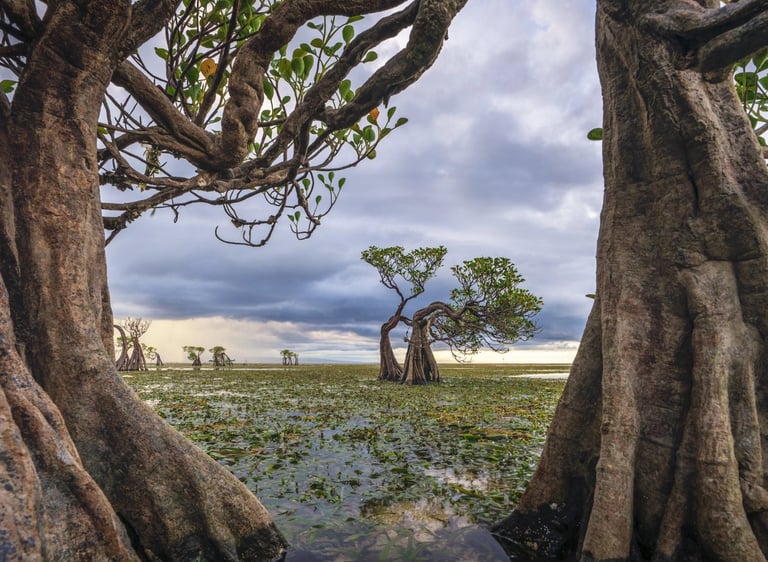
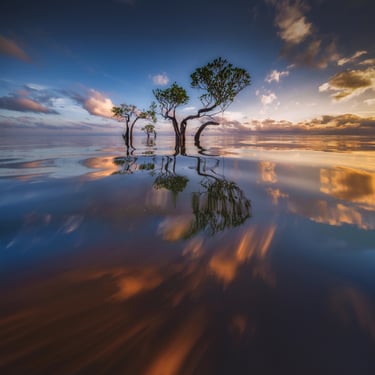
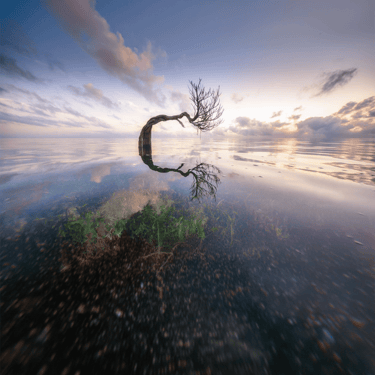
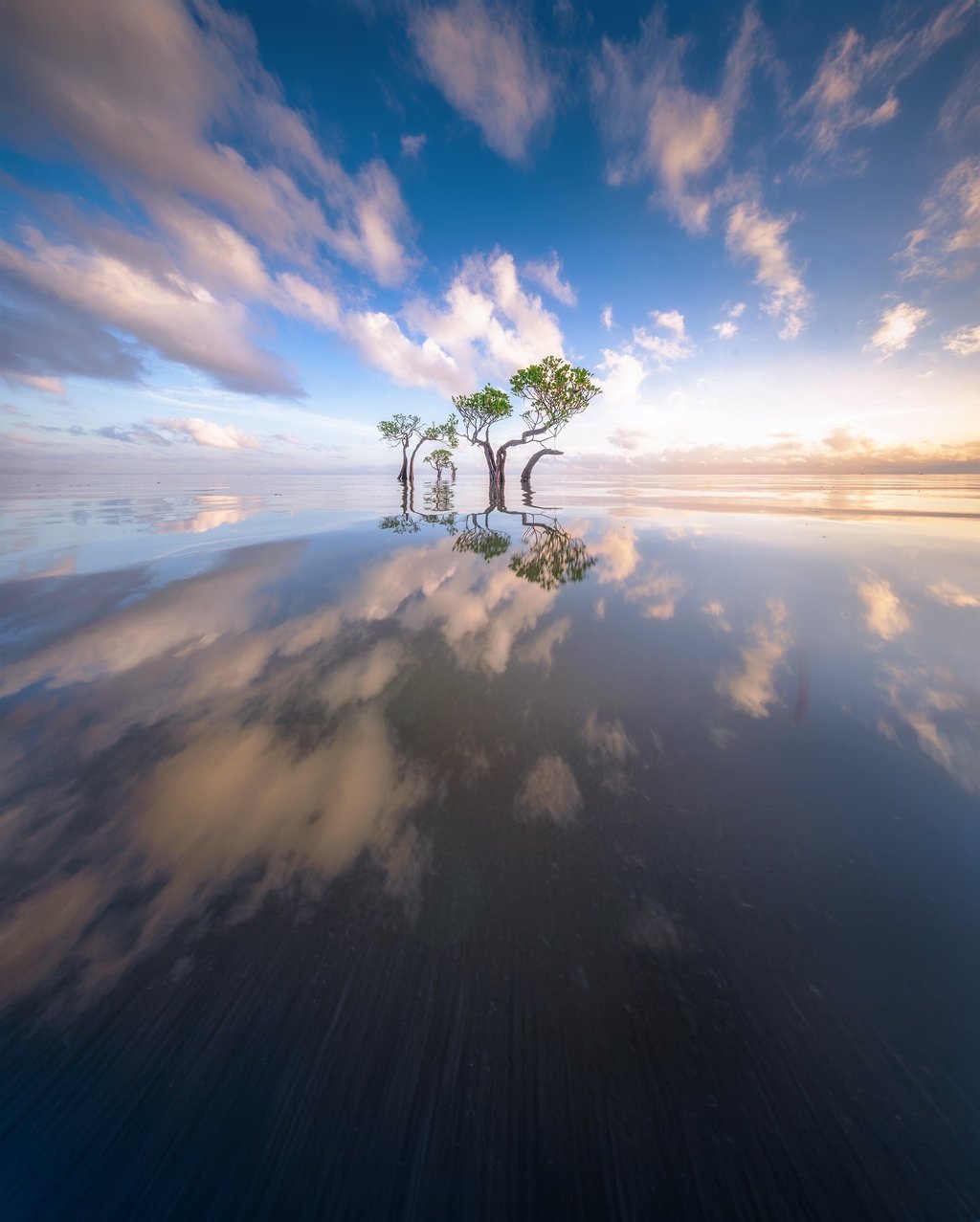
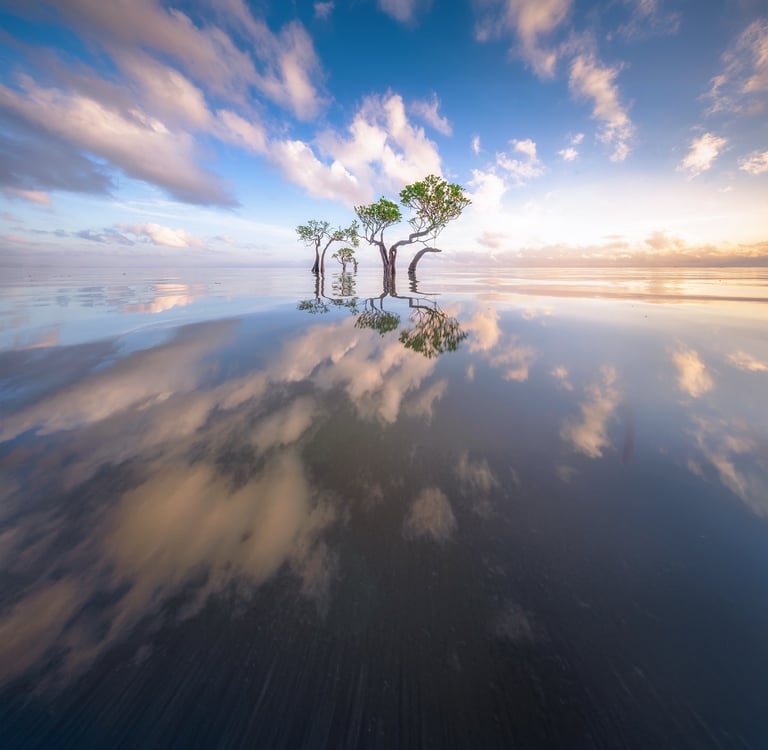
As sunset approaches, the iconic dancing trees emerge as delicate silhouettes against the horizon—minimal in form, yet expressive in character. The shifting light and tidal reflections create subtle variations, setting the tone for the days ahead.
A quiet introduction to Sumba.
Overnight in East Sumba.
Day 2 — Motion and Horizon
We return to Walakiri before sunrise, where the scene becomes softer and more intimate.
In the absence of strong contrast, the focus shifts toward balance, tone, and simplicity.
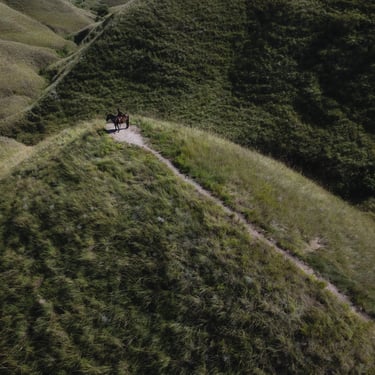
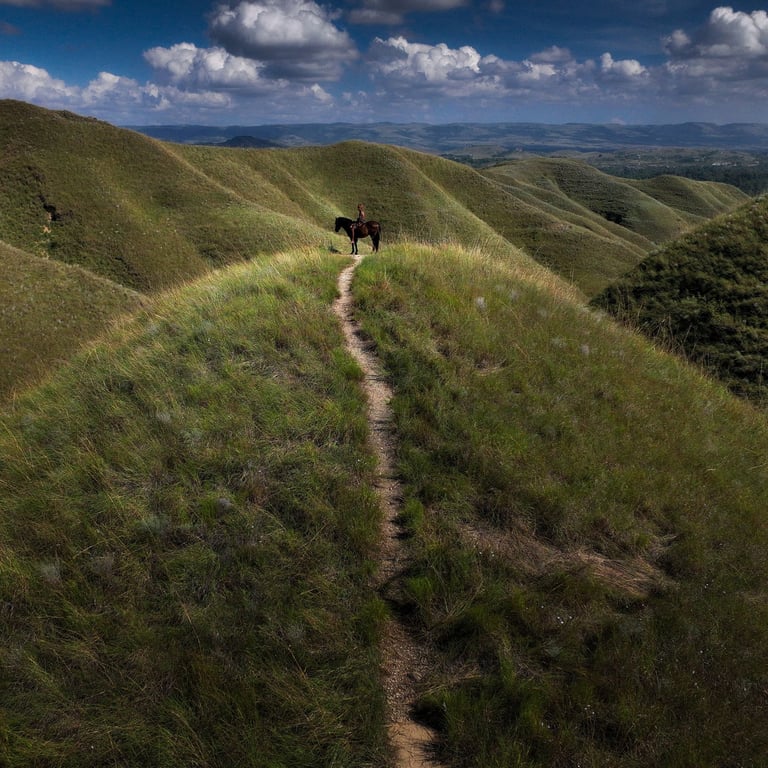
By late afternoon, we move to Wairinding Hills.
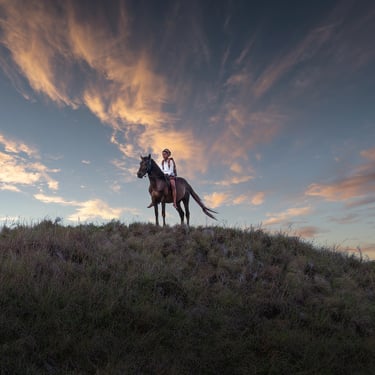
The landscape opens completely—rolling savannas stretching under wide skies. As the light lowers, the presence of local horses introduces movement and narrative into the frame, creating a scene that feels both natural and intentional.
Overnight in East Sumba.
Day 3 — Texture and Coastline
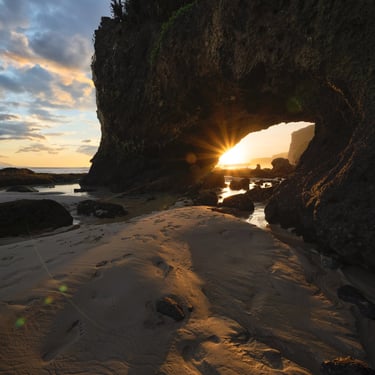
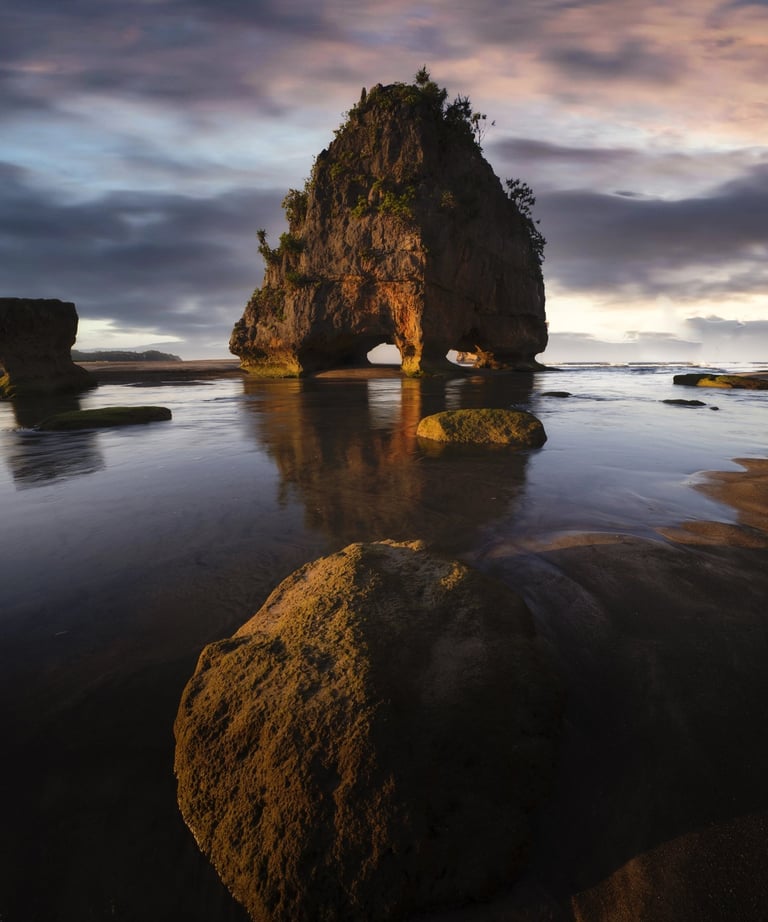
The morning begins at Watu Parunu.
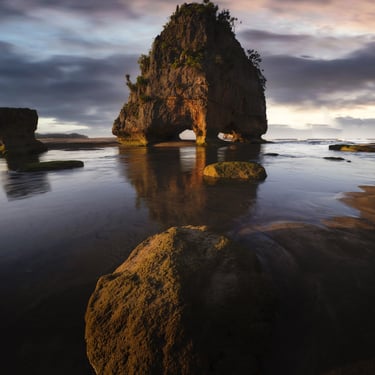
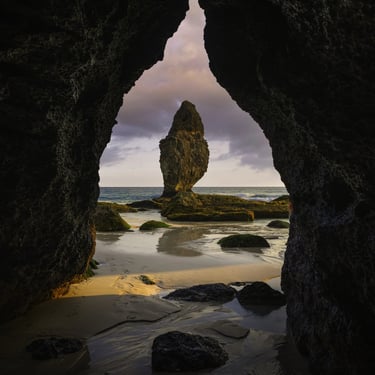
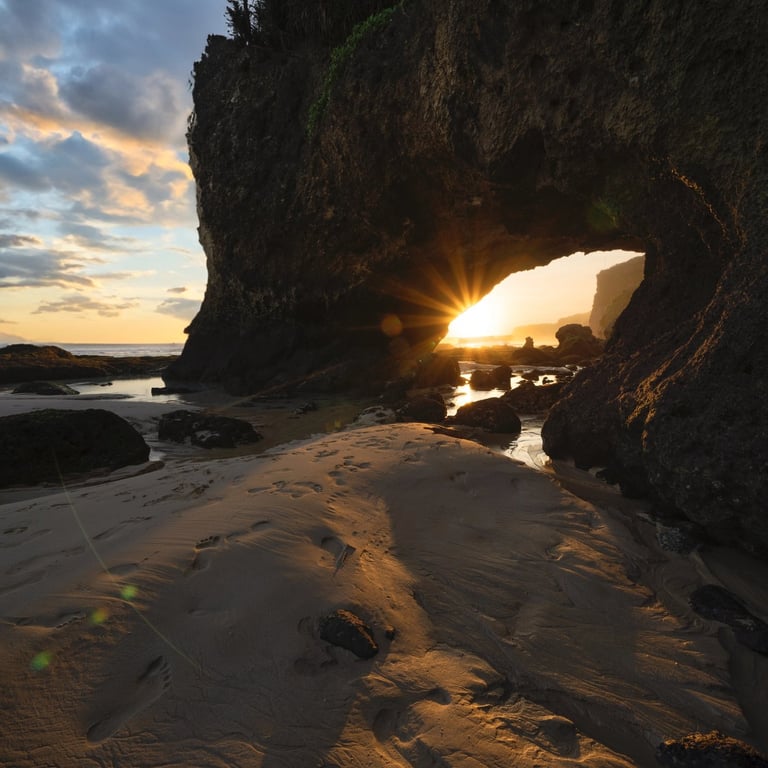
Here, the coastline reveals a more rugged identity—rock formations shaped by time, waves breaking against uneven surfaces, and light that constantly shifts with the movement of the sea.
After returning to the hotel and a period of rest, we head out again for sunset at Tenau Hill.
The landscape softens once more—layered terrain and distant horizons creating a calm, open composition that contrasts with the energy of the morning.
Overnight in East Sumba.
Day 4 — Transition to the West
Sunrise at Dapayami Hill introduces gentle contours and quiet atmosphere under the first light.
After breakfast and check-out, we begin the journey toward West Sumba.
The transition is gradual, but noticeable—landscapes shift, villages change, and the character of the island begins to reveal a different side.
At Praijing Traditional Village, architecture, landscape, and daily life exist together in a way that feels unchanged by time. A guided session with local villagers adds depth and human presence to the experience.
Overnight in West Sumba.
Day 5 — Coast and Culture
We begin the day at Watu Malandong.
From above, the coastline stretches wide and uninterrupted—cliffs meeting the ocean in a scene defined by scale and openness.
Later, we visit Ratenggaro Traditional Village.
One of the most iconic locations in Sumba, it offers a powerful combination of cultural structure and coastal setting. As sunset approaches, the interaction between land, sea, and traditional architecture creates a strong and layered visual narrative.
Overnight in West Sumba.
Itinerary
Day 6 — Final Light
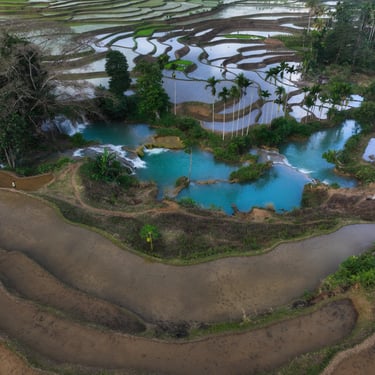
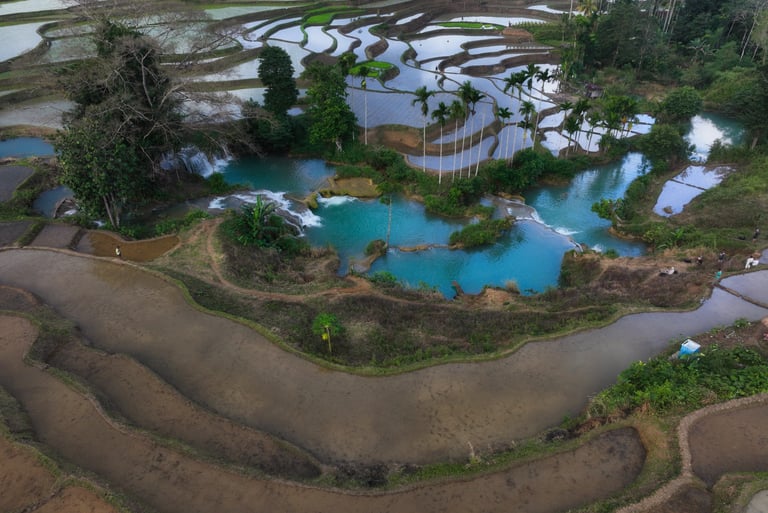
Our final morning takes place at Weekacura Rice Fields.
Reflections, patterns, and soft light create a calm and balanced composition—offering a quieter, more grounded closing to the journey.
After returning to the hotel and check-out, we transfer to the airport.
Departure to Bali, Surabaya, or Jakarta.
What remains is not only a collection of images, but a deeper understanding of place, rhythm, and observation.
End of journey.
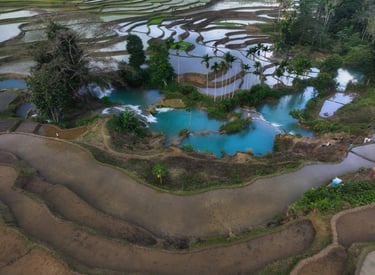
What You’ll Experience
This journey is designed to go beyond simply visiting locations. It is about experiencing Sumba in a way that allows you to slow down, observe, and create with intention.
Throughout the tour, we focus on being at the right place at the right time—working with natural conditions, understanding the landscape, and allowing each scene to unfold. Rather than rushing, there is space to refine compositions, explore different perspectives, and develop a stronger visual approach.
From vast rolling hills to quiet coastal scenes and traditional villages, each location offers a different character and atmosphere. These contrasts create opportunities to build a diverse and cohesive body of work.
At its core, this experience is about connection—to the land, to the process, and to the images you create along the way.
Why Join This Tour
This tour is carefully designed for photographers who value both experience and outcome.
Every location, timing, and transition has been considered to maximize conditions and minimize unnecessary movement. The pacing allows you to stay present, work deliberately, and focus on creating meaningful images rather than simply collecting shots.
You will not only capture strong visuals, but also gain a deeper understanding of how to approach a scene—reading light, simplifying compositions, and recognizing moments that carry emotional weight.
Whether you are refining your portfolio or seeking a more intentional way of photographing, this journey offers both structure and space to grow.
Join The Journey
A $650 USD deposit is required to secure your place. The remaining balance is due 90 days prior to departure. Full details are outlined in our Payment Terms.
(Single Supplement + $400 USD)
What's Included
* Photography Instructions from one Advance Photographers
* Vechile
* Airport transfers (arrival & departure)
* Full & Parking Fees
* All Entrance Ticket
* Meals & Drinking Water During Trip
* Accomodation share 2 peoples in 1 room (Hotel 3-4 Star)
What's Not Included
* International & Domestic Flight
* Health & Travel Insurance
* Optional tour extensions (e.g. East Java)
* Personal Expense, Tips, Any other service not mentioned in the "INCLUDED"
What's To Bring
We will send you a complete list of everything that we recommend for this tour upon sign-up. Below, you can find a summary of things you might need
Photography Basics
* DSLR/mirrorless camera and a sturdy tripod.
* A wide-angle lens, such as a 14-24 m m lens.
* A medium zoom lens, such as a 24-70 mm lens.
* A telephoto lens, like a 70-200 m m lens.
* A camera bag to transport all your photography equipment
and some other items.
* A 6-stop N D filter t o shoot waterfalls and rivers.
* A CPL (circular polarizer filter).
* A headlamp for the night shoots.
Clothing
Average temperature ranges from 25°C to 34°C during the day and 22°C to 24°C at night, with warm and generally dry conditions throughout the journey.
* Lightweight and breathable clothing (Sumba can be warm and humid)
* Light jacket or hoodie (for early mornings & evenings)
* Comfortable walking shoes or hiking sandals
* Hat or cap for sun protection
Footer Menu
© 2026 Jack Firman Photography. All rights reserved. Unauthorized use prohibited.